Blog

Athlete's Foot Is a Common Fungal Infection

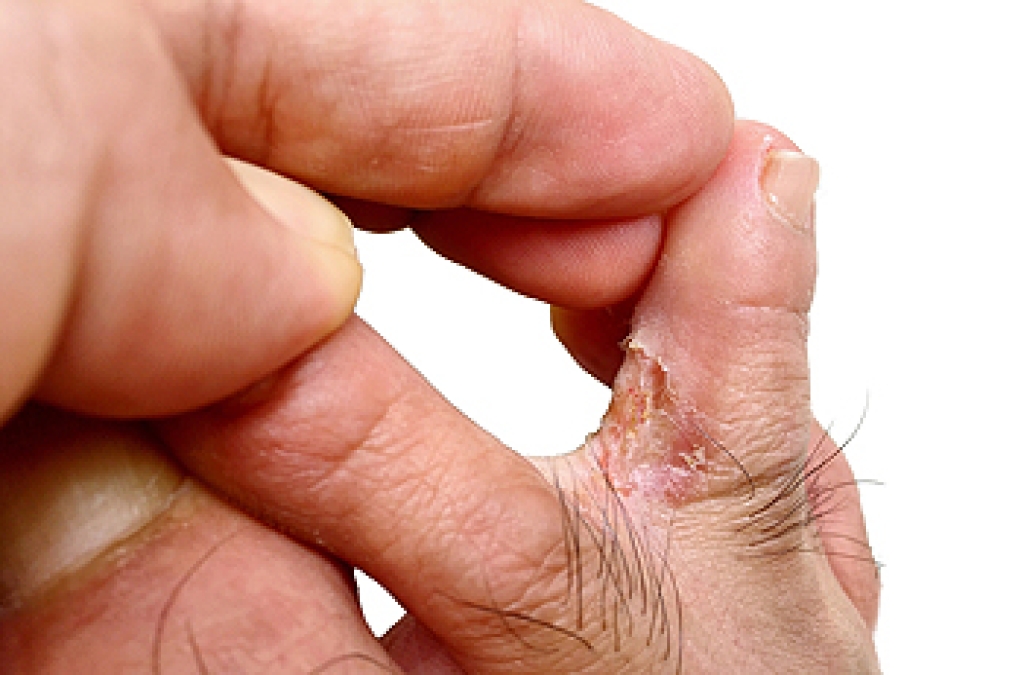
Athlete's foot, medically known as tinea pedis, is a prevalent fungal infection that affects the skin on the feet, often between the toes. This condition can strike anyone, not just athletes, and is primarily caused by dermatophyte fungi. Athlete's foot thrives in warm, moist environments, making it a common occurrence in areas like locker rooms, swimming pools, and shared showers. The symptoms of athlete's foot typically include itching, burning, and stinging sensations on the affected skin. As the infection progresses, it may lead to peeling, redness, and the development of blisters or cracked skin. In severe cases, the condition can spread to other parts of the foot, including the toenails. Fortunately, athlete's foot is usually easily treatable by visiting a podiatrist who can offer you prescribed medication for relief. If you have developed athlete’s foot, it is suggested that you schedule an appointment with this type of doctor who can guide you toward effective prevention methods.

Athlete’s Foot

Athlete’s foot is often an uncomfortable condition to experience. Thankfully, podiatrists specialize in treating athlete’s foot and offer the best treatment options. If you have any questions about athlete’s foot, consult with Dr. Yeon A. Shim from Roselle Podiatry Group. Our doctor will assess your condition and provide you with quality treatment.

What Is Athlete’s Foot?

Tinea pedis, more commonly known as athlete’s foot, is a non-serious and common fungal infection of the foot. Athlete’s foot is contagious and can be contracted by touching someone who has it or infected surfaces. The most common places contaminated by it are public showers, locker rooms, and swimming pools. Once contracted, it grows on feet that are left inside moist, dark, and warm shoes and socks.

Prevention

The most effective ways to prevent athlete’s foot include:

  • Thoroughly washing and drying feet
  • Avoid going barefoot in locker rooms and public showers
  • Using shower shoes in public showers
  • Wearing socks that allow the feet to breathe
  • Changing socks and shoes frequently if you sweat a lot

Symptoms

Athlete’s foot initially occurs as a rash between the toes. However, if left undiagnosed, it can spread to the sides and bottom of the feet, toenails, and if touched by hand, the hands themselves. Symptoms include:

  • Redness
  • Burning
  • Itching
  • Scaly and peeling skin

Diagnosis and Treatment

Diagnosis is quick and easy. Skin samples will be taken and either viewed under a microscope or sent to a lab for testing. Sometimes, a podiatrist can diagnose it based on simply looking at it. Once confirmed, treatment options include oral and topical antifungal medications.

If you have any questions, please feel free to contact our office located in Roselle, NJ . We offer the newest diagnostic and treatment technologies for all your foot care needs.

Read more about Athlete’s Foot

Managing Blisters While Hiking

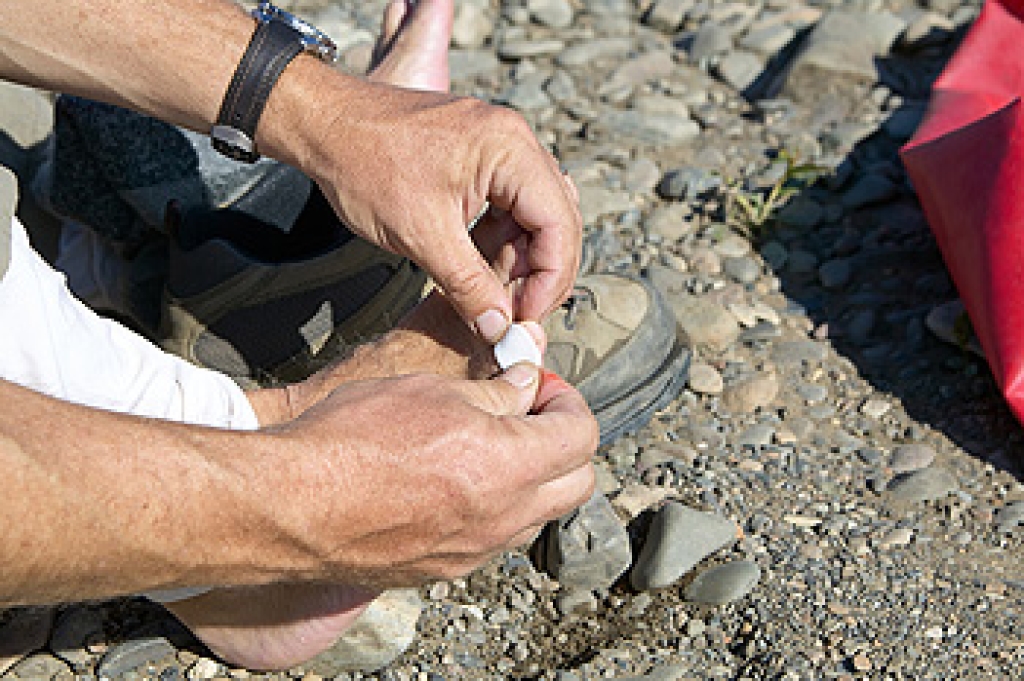
Even with meticulous precautions, blisters can still sneak up on hikers. Experts suggest that staying vigilant and addressing potential issues promptly can prevent a minor discomfort from escalating into major problems. During your hike, take regular breaks, especially on extended treks spanning multiple days. Use these pauses to inspect your feet, allowing them to breathe and dry. If your socks become saturated, having a spare pair on hand for a quick change is a smart move. Even when it is raining, try to seize opportunities in dry areas to manage foot moisture effectively. If you sense the onset of irritation, stop and address it immediately. Even a minor discomfort can evolve into a painful issue. Pay attention to hot spots or nagging areas, taking proactive steps to remedy them. Waiting until the next planned stop may allow the problem to worsen significantly. In the unfortunate event of a blister forming, act promptly to avoid aggravating the situation. Halt your hike as soon as possible. Find a comfortable spot, sit down, and remove your boots. Address the blister with appropriate care, minimizing the risk of worsening the condition. By taking strategic breaks, promptly addressing irritations, and swiftly treating emerging blisters, hikers can maintain comfort and stride confidently along the trail. If you have developed a blister that has broken open and become infected, it is suggested that you schedule an appointment with a podiatrist for advanced treatment.

Blisters may appear as a single bubble or in a cluster. They can cause a lot of pain and may be filled with pus, blood, or watery serum. If your feet are hurting, contact Dr. Yeon A. Shim of Roselle Podiatry Group. Our doctor can provide the care you need to keep you pain-free and on your feet.

Foot Blisters

Foot blisters are often the result of friction. This happens due to the constant rubbing from shoes, which can lead to pain.

What Are Foot Blisters?

A foot blister is a small fluid-filled pocket that forms on the upper-most layer of the skin. Blisters are filled with clear fluid and can lead to blood drainage or pus if the area becomes infected.

Symptoms

(Blister symptoms may vary depending on what is causing them)

  • Bubble of skin filled with fluid
  • Redness
  • Moderate to severe pain
  • Itching

Prevention & Treatment

In order to prevent blisters, you should be sure to wear comfortable shoes with socks that cushion your feet and absorb sweat. Breaking a blister open may increase your chances of developing an infection. However, if your blister breaks, you should wash the area with soap and water immediately and then apply a bandage to the affected area. If your blisters cause severe pain it is important that you call your podiatrist right away.

If you have any questions, please feel free to contact our office located in Roselle, NJ . We offer the newest diagnostic and treatment technologies for all your foot care needs.
Read more about Blisters

Gout Pain Can Be Managed

Gout is a painful, inflammatory form of arthritis. Those affected will typically feel an intense stiffness in the joints of their feet, particularly in the big toe. Schedule a visit to learn about how gout can be managed and treated.

Types of Bunion Surgery

Bunions, a common source of discomfort in the big toe, can often lead to surgical solutions. With an array of over 150 bunion surgeries available, it is beneficial to comprehend the prevailing procedures in use today. The bunionectomy is a foundational method. It involves removing the bony outgrowth at the base of the big toe that is responsible for the bunion and realigning the surrounding muscles, tendons, and ligaments. Osteotomy, another prevalent technique, necessitates cutting the toe bone to reposition the affected joint. It may also involve securing the bone with pins or screws for sustained correction. Arthrodesis is employed in cases of significant joint damage. This procedure entails fusing the surrounding bones with screws, wires, or plates. Arthroplasty is reserved for severe cases. The damaged portion of the joint is replaced with an implant, aiming to restore joint function. Integral to all bunion surgeries is soft tissue repair, ensuring the equilibrium of tendons and ligaments surrounding the joint to deter deformity recurrence. If you have a bunion that is causing extreme pain, it is suggested that you schedule an appointment with a podiatrist for a full examination and suggestions for treatment options. 

If you are suffering from bunion pain, contact Dr. Yeon A. Shim of Roselle Podiatry Group. Our doctor can provide the care you need to keep you pain-free and on your feet.

What Is a Bunion?

Bunions are painful bony bumps that usually develop on the inside of the foot at the joint of the big toe. As the deformity increases over time, it may become painful to walk and wear shoes. Women are more likely to exacerbate existing bunions since they often wear tight, narrow shoes that shift their toes together. Bunion pain can be relieved by wearing wider shoes with enough room for the toes.

Causes

  • Genetics – some people inherit feet that are more prone to bunion development
  • Inflammatory Conditions - rheumatoid arthritis and polio may cause bunion development

Symptoms

  • Redness and inflammation
  • Pain and tenderness
  • Callus or corns on the bump
  • Restricted motion in the big toe

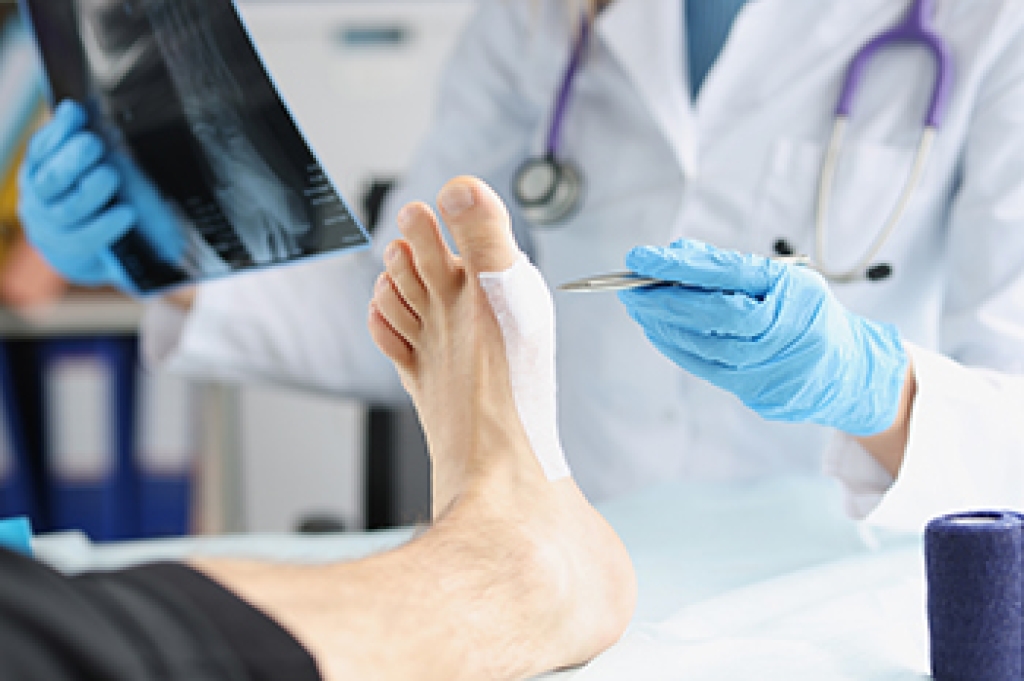
In order to diagnose your bunion, your podiatrist may ask about your medical history, symptoms, and general health. Your doctor might also order an x-ray to take a closer look at your feet. Nonsurgical treatment options include orthotics, padding, icing, changes in footwear, and medication. If nonsurgical treatments don’t alleviate your bunion pain, surgery may be necessary.

If you have any questions, please feel free to contact our office located in Roselle, NJ . We offer the newest diagnostic and treatment technologies for all your foot care needs.

Read more about Bunions

Is My Ankle Sprained or Broken?

Ankle injuries, a common woe for sports enthusiasts, often leave you wondering: Is it a sprain or a break? Understanding the nuances is imperative for effective treatment. A sprain occurs when ligaments, which are the connectors between bones and joints, are forcefully stretched beyond their normal range. Notably, ankle sprains take the lead as the most prevalent sports injury. Conversely, a fracture entails a break in a bone, with a broken ankle indicating damage to tibia and fibula in the leg or calcaneus and talus bones of the foot. Fractures cause sudden pain and noticeable swelling, whereas stress fractures, smaller cracks in the bone, bring intense pain with less swelling. When uncertainty looms, seeking medical guidance is paramount. Consult a podiatrist if you suspect a fracture or ruptured ligament. Tenderness over a bone and an irregular shape of the leg or joint may signify a break or dislocation, necessitating immediate attention. An accurate diagnosis ensures the right intervention, whether it is rest and rehabilitation for a sprain or more intensive measures for a fracture. If you have sustained a serious ankle injury, be it a sprain or a fracture, it is suggested that you schedule an appointment with a podiatrist.

Ankle sprains are common but need immediate attention. If you need your feet checked, contact Dr. Yeon A. Shim from Roselle Podiatry Group. Our doctor can provide the care you need to keep you pain-free and on your feet.

How Does an Ankle Sprain Occur?

Ankle sprains take place when the ligaments in your ankle are torn or stretched beyond their limits. There are multiple ways that the ankle can become injured, including twisting or rolling over onto your ankle, putting undue stress on it, or causing trauma to the ankle itself.

What Are the Symptoms?

  • Mild to moderate bruising
  • Limited mobility
  • Swelling
  • Discoloration of the skin (depending on severity)

Preventing a Sprain

  • Wearing appropriate shoes for the occasion
  • Stretching before exercises and sports
  • Knowing your limits

Treatment of a Sprain

Treatment of a sprain depends on the severity.  Many times, people are told to rest and remain off their feet completely, while others are given an air cast. If the sprain is very severe, surgery may be required.

If you have suffered an ankle sprain previously, you may want to consider additional support such as a brace and regular exercises to strengthen the ankle.

If you have any questions please feel free to contact our office located in Roselle, NJ . We offer the newest diagnostic tools and technology to treat your foot and ankle needs.

Read more about Three Grades of Ankle Sprains
scroll to top