
Your feet are covered most of the day. If you're diabetic, periodic screening is important for good health. Numbness is often a sign of diabetic foot and can mask a sore or wound.
Your feet are covered most of the day. If you're diabetic, periodic screening is important for good health. Numbness is often a sign of diabetic foot and can mask a sore or wound.
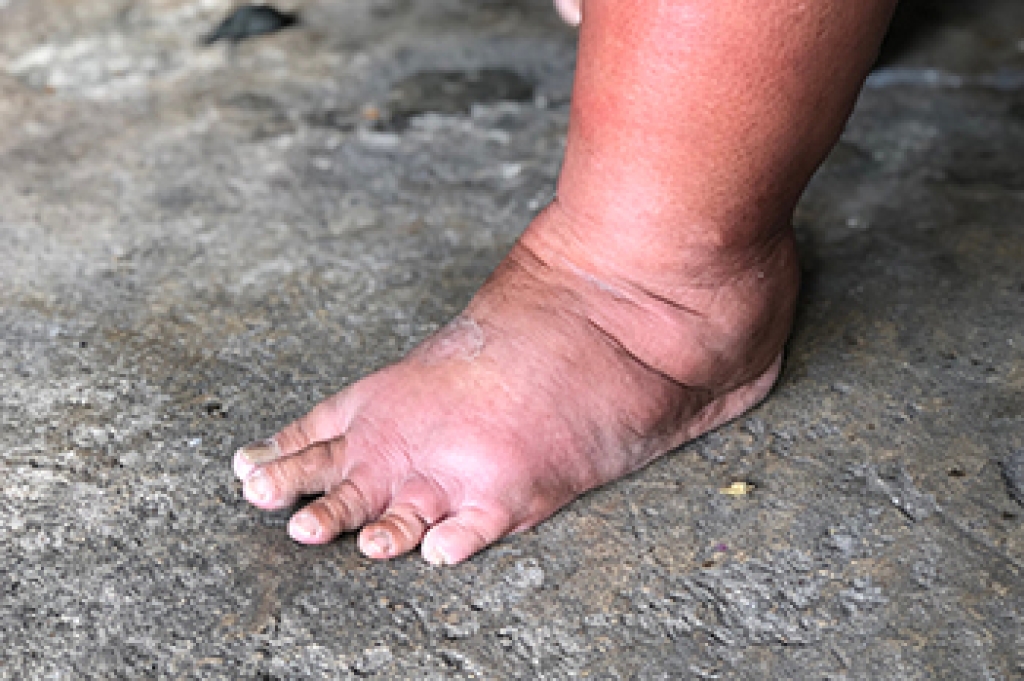
Swelling of the feet and ankles, also known as edema, occurs when fluid collects in the tissues of the lower legs. Many people notice that their shoes feel tighter or that the skin around the ankles appears puffy or stretched. In some cases, the skin may feel tender, heavy, or leave an indentation when pressed. Swelling may develop gradually throughout the day, especially after long periods of standing or sitting. Common causes include poor circulation, injury, inflammation, pregnancy, certain medications, or medical conditions that affect the heart, kidneys, or veins. Foot structure problems can also contribute when uneven pressure affects how fluid moves through the lower leg. A podiatrist can evaluate swelling through a physical examination and review of medical history to help identify possible causes. Treatment often focuses on improving circulation and reducing pressure in the feet and ankles. Care options include supportive footwear, compression, and targeted exercises that encourage healthy blood flow. If you have swollen feet and ankles, it is suggested that you make an appointment with a podiatrist.
Swollen feet can be a sign of an underlying condition. If you have any concerns, contact Dr. Yeon A. Shim of Roselle Podiatry Group. Our doctor can provide the care you need to keep you pain-free and on your feet.
Swollen feet are a common ailment among pregnant women and people who stand or sit for extended periods. Aging may increase the possibility of swollen feet and patients who are obese often notice when their feet are swelling too. There may be medical reasons why swollen feet occur:
Swollen feet can also be caused by bone and tendon conditions, including fractures, arthritis, and tendinitis. Additionally, there may be skin and toenail conditions and an infection may cause the feet to swell. Patients who take medicine to treat high blood pressure may be prone to getting swollen feet.
Many patients elevate their feet to help relieve the swelling and this is generally a temporary remedy. When a podiatrist is consulted the reason behind the swelling can be uncovered and subsequently treated.
If you have any questions please contact our office located in Roselle, NJ . We offer the newest diagnostic and treatment technologies for all your foot and ankle needs.
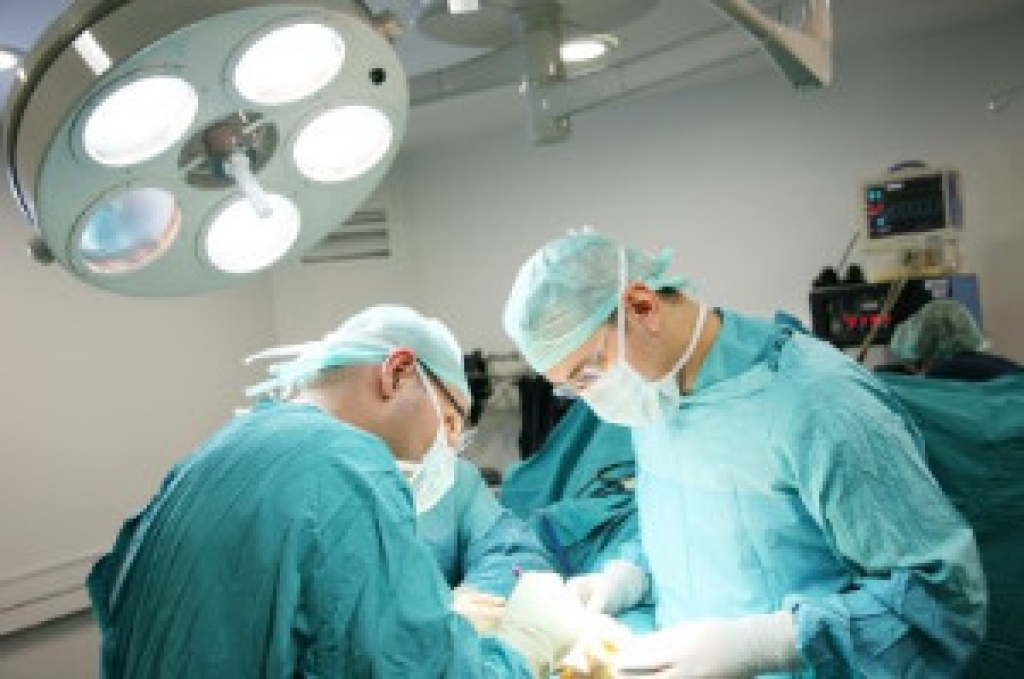
Minimally invasive foot and ankle surgery uses small incisions and specialized instruments to treat certain conditions while reducing disruption to surrounding tissue. Instead of a large surgical opening, the surgeon works through tiny entry points using precise tools and imaging guidance. This approach may lead to less swelling, smaller scars, and a faster return to normal activity for some patients. Minimally invasive techniques are sometimes used to correct bunions by reshaping the bone through small openings in the skin. They may also be used to treat certain hammertoe deformities or remove bone spurs that cause joint irritation. Because the incisions are smaller, surrounding muscles and soft tissues may experience less trauma during the procedure. However, not every condition is appropriate for this type of surgery, and proper evaluation is important before treatment is considered. When ongoing foot or ankle pain affects mobility, it is suggested that you see a podiatrist to discuss diagnosis and available treatment options.
Foot surgery is sometimes necessary to treat a foot ailment. To learn more, contact Dr. Yeon A. Shim of Roselle Podiatry Group. Our doctor will assist you with all of your foot and ankle needs.
When Is Surgery Necessary?
Foot and ankle surgery is generally reserved for cases in which less invasive, conservative procedures have failed to alleviate the problem. Some of the cases in which surgery may be necessary include:
What Types of Surgery Are There?
The type of surgery you receive will depend on the nature of the problem you have. Some of the possible surgeries include:
Benefits of Surgery
Although surgery is usually a last resort, it can provide more complete pain relief compared to non-surgical methods and may allow you to finally resume full activity.
Surgical techniques have also become increasingly sophisticated. Techniques like endoscopic surgery allow for smaller incisions and faster recovery times.
If you have any questions, please feel free to contact our office located in Roselle, NJ . We offer the newest diagnostic and treatment technologies for all your foot care needs.

An ankle fracture is more than a broken bone. It can affect nearly every part of daily living. Simple tasks such as walking, driving, cooking, or climbing stairs may suddenly become difficult. Many people require crutches, a walking boot, or even surgery, followed by weeks of limited movement. During recovery, muscle strength and joint flexibility often decrease, which can lead to stiffness and balance problems. Time away from work and reduced activity can also affect emotional well-being. Some individuals feel frustrated or isolated as they depend on others for help. For older adults, a fall-related fracture may increase concern about future mobility and independence. Even after the bone heals, lingering swelling or discomfort may continue for months. Proper treatment and guided rehabilitation play an important role in restoring strength and stability. If you have suffered an ankle injury with lasting pain or instability, it is suggested that you see a podiatrist for guidance.
test

You don't need an excuse to have beautiful nails. Step outside without worrying about the appearance of your feet.

