
Blog

Common Foot Troubles Runners Need to Watch For

Runners push their feet through repetitive impact, quick transitions, and changing terrains, which makes certain running injuries more likely to develop. Sore arches, tight calves, and aching heels are common early signs that the tissues are working harder than they should. Over time, this strain can lead to plantar fasciitis, stress reactions in the bones, tendon irritation, or painful blisters that make every step feel more demanding. Some runners also notice numbness, burning, or tingling when shoes are too tight or if the foot structure needs more support. These issues often start small, but can quickly disrupt training if ignored. Paying attention to shoe fit, gradually increasing mileage, and allowing proper recovery between runs can make a significant difference. Listening to early symptoms helps prevent long-term injury and keeps running enjoyable. If discomfort persists, interferes with your stride, or continues after rest, it is suggested that you see a podiatrist for evaluation and appropriate care.

Exercising your feet regularly with the proper foot wear is a great way to prevent injuries. If you have any concerns about your feet, contact Dr. Yeon A. Shim of Roselle Podiatry Group. Our doctor will treat your foot and ankle needs.

How to Prevent Running Injuries

Many common running injuries are caused by overuse and overtraining. When the back of the kneecap starts wearing out and starts causing pain in your knee, this is commonly referred to as runner’s knee. Runner’s knee is a decrease in strength in your quadriceps and can occur if you’re not wearing properly fitted or supporting shoes. To prevent runner’s knee, focusing on hip strengthening is a good idea, as well as strengthening your quads to keep the kneecaps aligned.

What Are Some Causes of Running Injuries? 
- One cause of a common running injury is called iliotibial band syndrome.
- Plantar fasciitis is also another common injury.
- Stress fractures can occur from overtraining, lack of calcium, or even your running style.

Best Ways to Prevent Running Injuries
- Wear footwear that fits properly and suits your running needs.
- Running shoes are the only protective gear that runners have to safeguard them from injury.
- Make a training schedule. Adding strengthening exercises as well as regular stretching can help keep you strong and limber and can lessen the possibility of injuries.
- Stretching keeps muscles limber; this will help you gain better flexibility.

If you have any questions, please feel free to contact our office located in Roselle, NJ . We offer the newest diagnostic and treatment technologies for all your foot care needs.
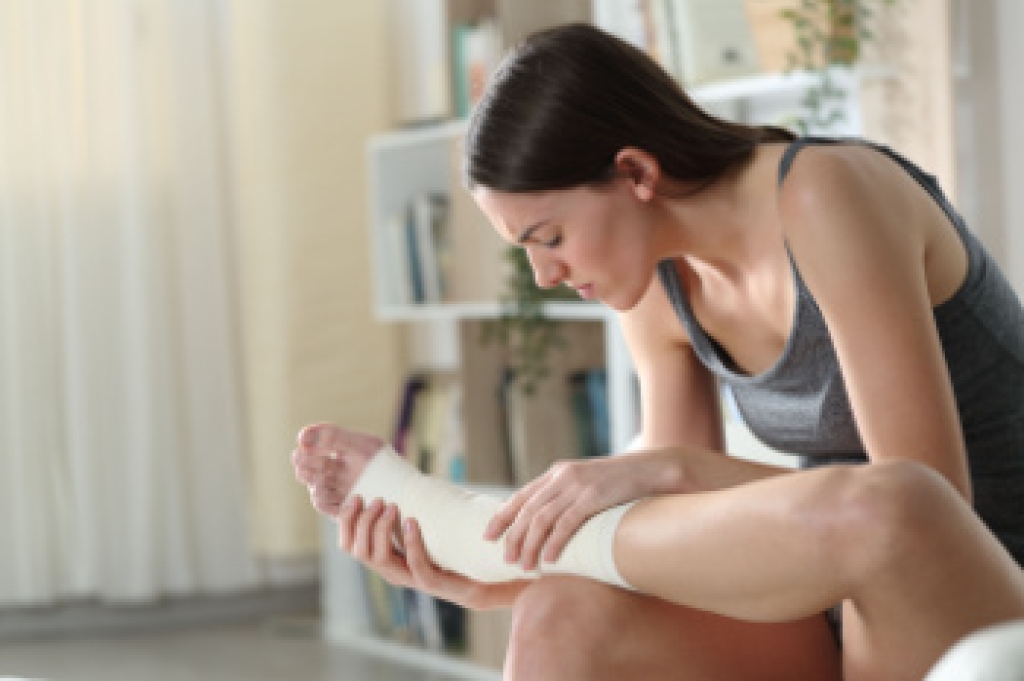

Read more about How to Prevent Running Injuries

Common Reasons for Foot Stress Fractures

Foot stress fractures are small cracks in the bones of the feet that develop gradually from repeated stress, rather than a sudden injury. Foot stress fractures often occur when people increase their activity level too quickly, as the foot muscles may not provide enough support to protect the bones. Sports like running, tennis, football, and gymnastics are frequent causes, as repeated impact on hard surfaces places strain on the metatarsals, heel bone, or navicular bone. Abnormal foot structure, such as flat feet or high arches, can also contribute by unevenly distributing pressure. Wearing shoes that lack adequate support or relying heavily on flip-flops may further increase the risk. Pain usually begins gradually, worsening with activity and resulting in swelling or tenderness. A podiatrist can identify the source of the pain and provide proper treatment. If you are experiencing symptoms of foot stress fractures, it is suggested that you make an appointment with a podiatrist for an exam and treatment.

Activities where too much pressure is put on the feet can cause stress fractures. To learn more, contact Dr. Yeon A. Shim from Roselle Podiatry Group. Our doctor can provide the care you need to keep your pain free and on your feet.

Dealing with Stress Fractures of the Foot and Ankle

Stress fractures occur in the foot and ankle when muscles in these areas weaken from too much or too little use.  The feet and ankles then lose support when walking or running from the impact of the ground. Since there is no protection, the bones receive the full impact of each step. Stress on the feet can cause cracks to form in the bones, thus creating stress fractures.

What Are Stress Fractures?

Stress fractures occur frequently in individuals whose daily activities cause great impact on the feet and ankles. Stress factors are most common among:

  • Runners                                
  • People affected with Osteoporosis
  • Tennis or basketball players
  • Gymnasts
  • High impact workouts

Symptoms

Pain from the fractures occur in the area of the fractures and can be constant or intermittent. It will often cause sharp or dull pain with swelling and tenderness. Engaging in any kind of activity which involves high impact will aggravate pain.

If you have any questions please contact our office located in Roselle, NJ . We offer the newest diagnostic and treatment technologies for all your foot and ankle needs.

Read more about Dealing with Stress Fractures of the Foot and Ankle

Facts About Pediatric Gout

Gout is a form of arthritis caused by a buildup of uric acid crystals in the joints, leading to sudden inflammation and intense discomfort. Although it is more common in adults, it can affect children, especially those with certain health conditions. Pediatric gout can develop due to obesity, Down syndrome, kidney disease, or metabolic issues that affect how the body processes uric acid. Symptoms include severe pain, swelling, redness, and warmth in the big toe. A podiatrist can evaluate the feet and ankles, identify flare triggers, provide guidance on supportive care, and create a plan to reduce discomfort and prevent future episodes. If your child has pain in the big toe or other symptoms of gout, it is suggested that you schedule an appointment with a podiatrist to ensure your child receives expert foot and ankle care.

Gout is a painful condition that can be treated. If you are seeking treatment, contact Dr. Yeon A. Shim from Roselle Podiatry Group. Our doctor will treat your foot and ankle needs.

What Is Gout?

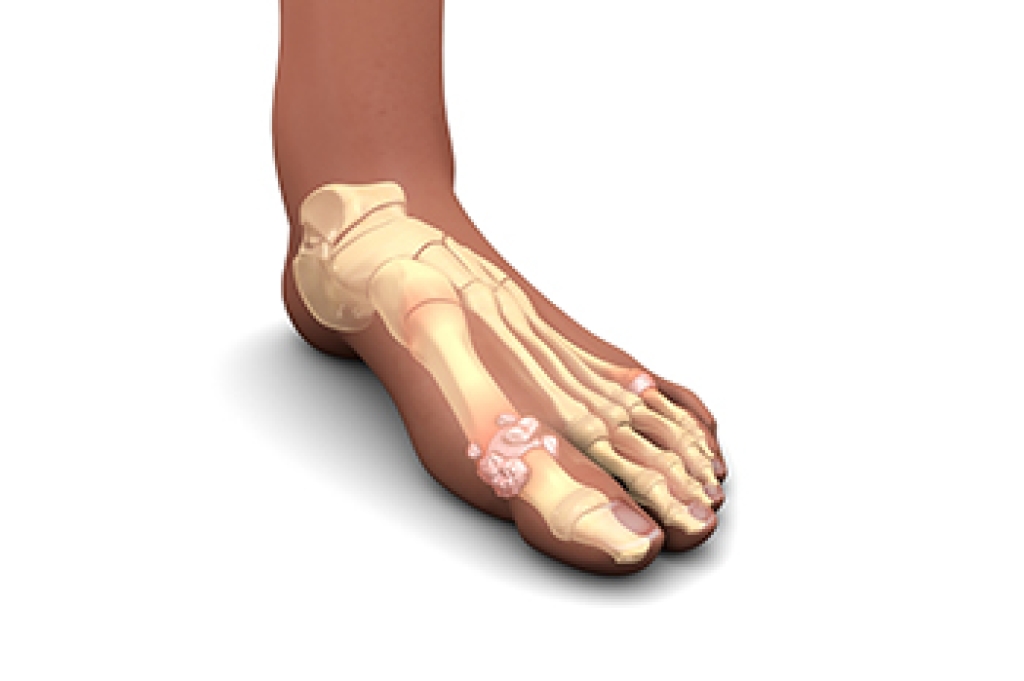
Gout is a form of arthritis that is characterized by sudden, severe attacks of pain, redness, and tenderness in the joints. The condition usually affects the joint at the base of the big toe. A gout attack can occur at any random time, such as the middle of the night while you are asleep.

Symptoms

  • Intense Joint Pain - Usually around the large joint of your big toe, and it most severe within the first four to twelve hours
  • Lingering Discomfort - Joint discomfort may last from a few days to a few weeks
  • Inflammation and Redness -Affected joints may become swollen, tender, warm and red
  • Limited Range of Motion - May experience a decrease in joint mobility

Risk Factors

  • Genetics - If family members have gout, you’re more likely to have it
  • Medications - Diuretic medications can raise uric acid levels
  • Gender/Age - Gout is more common in men until the age of 60. It is believed that estrogen protects women until that point
  • Diet - Eating red meat and shellfish increases your risk
  • Alcohol - Having more than two alcoholic drinks per day increases your risk
  • Obesity - Obese people are at a higher risk for gout

Prior to visiting your podiatrist to receive treatment for gout, there are a few things you should do beforehand. If you have gout you should write down your symptoms--including when they started and how often you experience them, important medical information you may have, and any questions you may have. Writing down these three things will help your podiatrist in assessing your specific situation so that he or she may provide the best route of treatment for you.

If you have any questions, please feel free to contact our office located in Roselle, NJ . We offer the newest diagnostic and treatment technologies for all your foot care needs.
Read more about Gout

Understanding Sever’s Disease in Growing Children

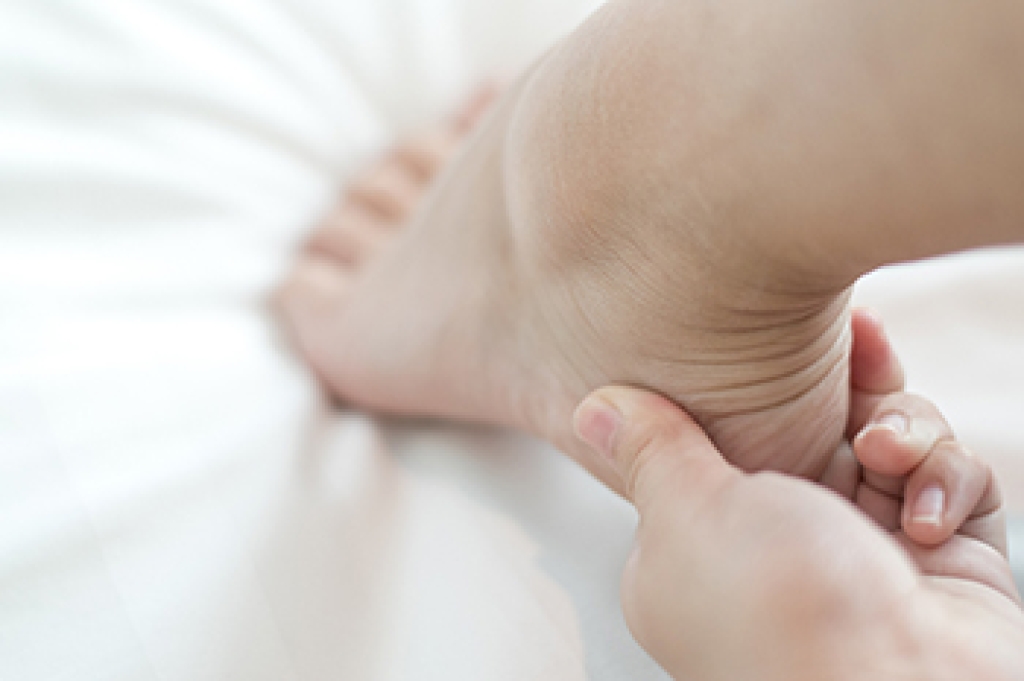
Sever’s disease, also known as calcaneal apophysitis, is a common cause of heel pain in growing children and adolescents, especially those who are active in sports. It occurs when the growth plate in the heel becomes irritated due to repetitive stress or excessive impact. Symptoms often include heel pain during or after activity, tenderness when the heel is squeezed, limping, or difficulty walking barefoot. The affected area may appear slightly swollen or red, and the pain often worsens with running or jumping. Causes include rapid growth spurts, tight calf muscles, improper footwear, or overtraining. A podiatrist can diagnose Sever’s disease through a physical exam, gait analysis, and discussion of activity levels. Treatment focuses on reducing inflammation and relieving pressure through rest, supportive shoes, heel cups, or orthotics. Early management helps prevent recurring pain and allows children to stay active safely. It is suggested that you make an appointment with a podiatrist if your child experiences heel pain.

Sever's disease often occurs in children and teens. If your child is experiencing foot or ankle pain, see Dr. Yeon A. Shim from Roselle Podiatry Group. Our doctor can treat your child’s foot and ankle needs.

Sever’s Disease

Sever’s disease is also known as calcaneal apophysitis, which is a medical condition that causes heel pain I none or both feet. The disease is known to affect children between the ages of 8 and 14.

Sever’s disease occurs when part of the child’s heel known as the growth plate (calcaneal epiphysis) is attached to the Achilles tendon. This area can suffer injury when the muscles and tendons of the growing foot do not keep pace with bone growth. Therefore, the constant pain which one experiences at the back of the heel will make the child unable to put any weight on the heel. The child is then forced to walk on their toes.

Symptoms

Acute pain – Pain associated with Sever’s disease is usually felt in the heel when the child engages in physical activity such as walking, jumping and or running.

Highly active – Children who are very active are among the most susceptible in experiencing Sever’s disease, because of the stress and tension placed on their feet.

If you have any questions, please feel free to contact our office located in Roselle, NJ . We offer the newest diagnostic and treatment technologies for all your foot care needs.
Read more about Sever's Disease
scroll to top